Hello students! Renu here. Aaj hum humare visually-interactive educational platform par homogeneous mixture and heterogeneous mixture | is matter around us pure? class 9 chemistry ke complex scientific concept ko bilkul simple and natural language mein deeply samjhenge.
Dosto, aksar textbooks mein science ke topics bohot complicated lagte hain, jiski wajah se students rote learning (ratta marna) shuru kar dete hain. Lekin humare Nukkad classroom mein hum concepts ke core mechanisms ko daily life analogies aur interactive diagrams se connect karte hain. Let's study how this subject operates in real life.
The Core Concept Explained simply
In our study of Chemistry, we seek to understand the physical and chemical laws of our environment. Detailed educational reference and CBSE notes for 'homogeneous mixture and heterogeneous mixture | is matter around us pure? class 9 chemistry'. Study scientific diagrams, NCERT solutions, and formulas explained by Renu Dhaker.
Simple words mein samjhein toh, yeh concept humare surrounding systems (jaise cells, chemical combinations, planetary movements, or heat thermodynamics) par depend karta hai. Jab aap diagrams aur formulas ko live link karke padhte hain, toh cheezein dimag mein crystal-clear settle ho jaati hain.
Real-Life Concept Analogy
Think of this science topic like daily occurrences:
- The Biological connection: Mapped directly with school syllabuses, this determines how organisms adapt, respire, or metabolize energy.
- The Physical action: Explains the mechanical forces, thermal dynamics, or optical refractions taking place in front of our eyes.
- The Chemical composition: Focuses on molecular compositions, valence combining forces, and elemental changes.
⚡ Exam Corner (Class 9)
For school and competitive examinations in Chemistry, make sure to write step-by-step chemical equations, label microscopic diagrams neatly with a pencil, and explicitly define the physical variables with their correct SI units (like Joules, Pascals, or meters/second) to secure full marks!
Study Taught by Renu Dhaker
Watch the full lesson explained with clear board-work, visual animations, and step-by-step formulas on our YouTube portal: Watch homogeneous mixture and heterogeneous mixture | is matter around us pure? class 9 chemistry on YouTube .
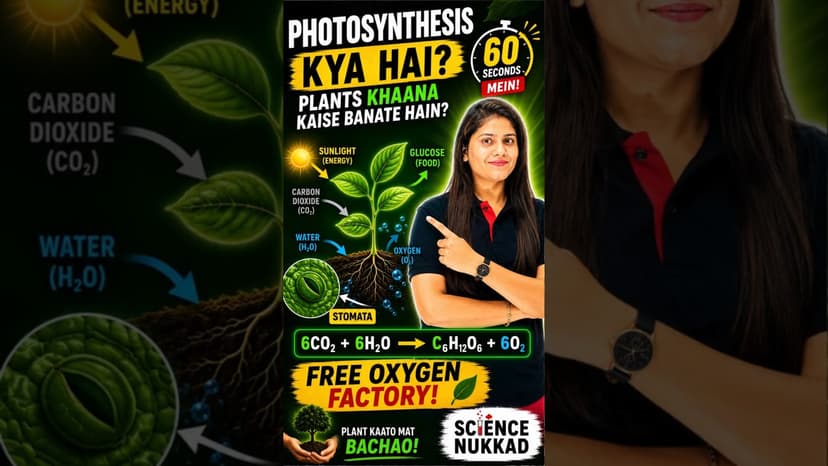
For a quick 60-second visual revision capsule of this exact topic, complete with custom quiz checkpoints, check out our related Short inside the Shorts Sandbox Hub!
To receive free daily NCERT guides, syllabus notifications, and micro learning cards, join our social handles:
- 📸 Instagram Profile: @renudhaker11 (Renu Dhaker)
- 👥 Facebook Community: @theknowledgenukkad Group
- 📺 YouTube Channel: Subscribe to The Knowledge Nukkad